


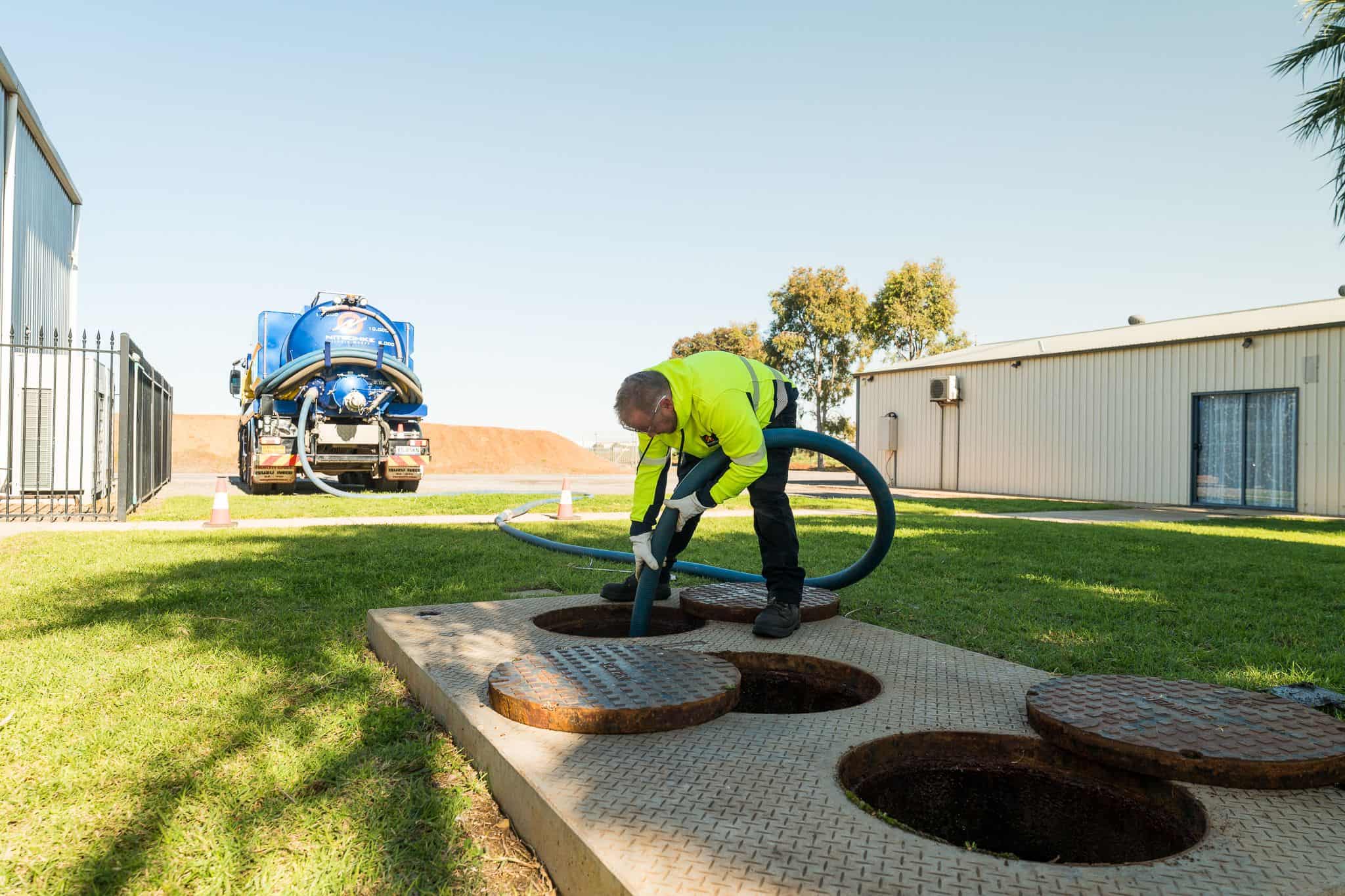
Could Your Grease Trap Be Putting Your Business at Risk? 5 Reasons Regular Grease Trap Cleaning in Adelaide Matters
For restaurants, cafés, hotels and commercial kitchens across Adelaide, regular grease trap cleaning is essential for protecting your business, preventing costly plumbing problems and maintaining trade waste compliance.
A grease trap is one of the most important pieces of wastewater equipment in a commercial kitchen, yet it’s often overlooked until something goes wrong.
Hidden underground, beneath a car park or behind a commercial building, grease traps work every day to prevent fats, oils, grease and food solids from entering the sewer system.
When grease trap servicing is neglected, the consequences can extend far beyond the cost of a routine pump-out.
Blocked drains, unpleasant odours, wastewater overflows, business interruptions and potential compliance issues can all result from inadequate maintenance.
At Nitschke Liquid Waste, we provide professional grease trap cleaning and pump-out services throughout Adelaide and surrounding South Australian regions, helping commercial businesses keep their wastewater systems operating effectively.
What Does a Commercial Grease Trap Do?
A commercial grease trap, also known as a grease arrestor, is designed to separate fats, oils, grease (FOG) and food solids from wastewater before it enters the sewer system.
Every time dishes are washed, cooking equipment is cleaned or food preparation areas are rinsed, grease and food particles can enter the drainage system.
Inside the grease trap:
- Wastewater enters the trap and slows down.
- Fats, oils and grease separate and rise towards the surface.
- Heavier food particles and solids settle at the bottom.
- Partially treated wastewater flows towards the sewer system.
Over time, the accumulated grease and solids reduce the trap’s effective capacity.
Without regular grease trap pumping and cleaning, this buildup can cause blockages, unpleasant odours and wastewater drainage problems.
For commercial kitchens producing significant volumes of greasy wastewater, routine servicing is particularly important.
Risk 1: Unpleasant Grease Trap Odours Can Drive Customers Away
One of the first signs that a grease trap requires attention is an unpleasant smell coming from drains or surrounding areas.
As food waste and grease decompose, they can produce strong odours that spread through kitchens, dining areas and nearby businesses.
For restaurants and cafés, this can quickly become a customer service problem.
Imagine customers entering your restaurant and noticing an unpleasant sewage-like smell before they’ve even ordered their meals.
Even if the food and service are excellent, customers may associate the smell with poor hygiene.
Negative experiences can result in poor online reviews, customer complaints and lost repeat business.
In shopping centres, food courts and commercial complexes, grease trap odours may also affect neighbouring tenants.
Regular commercial grease trap cleaning helps remove accumulated grease and food waste before odours become a serious problem.
Risk 2: Blocked Grease Traps Can Shut Down Your Commercial Kitchen
A blocked grease trap can create significant operational problems for restaurants and commercial kitchens.
When grease and solids accumulate beyond the trap’s effective capacity, wastewater may struggle to drain properly.
Common warning signs include:
- Slow-draining sinks and floor drains.
- Gurgling noises from drainage systems.
- Unpleasant smells around the grease trap.
- Wastewater backing up through floor drains.
- Grease or wastewater overflowing from the trap.
In severe cases, wastewater can back up into food preparation and kitchen areas, creating hygiene concerns and slip hazards.
Consider a busy restaurant on Gouger Street in Adelaide on a Saturday evening.
Halfway through dinner service, wastewater begins backing up through the kitchen floor drains.
Staff cannot safely continue normal operations, customers are waiting for meals, and the owner is urgently trying to arrange a grease trap pump-out or plumbing assistance.
What could have been routine preventative maintenance has now become a costly business interruption.
Lost revenue, wasted food, additional labour and emergency service costs can quickly add up.
Scheduled grease trap servicing helps reduce the risk of unexpected blockages and costly kitchen shutdowns.
Risk 3: Neglected Grease Traps Can Create SA Water Compliance Problems
Commercial food businesses discharging trade wastewater into the SA Water sewer network may be required to operate and maintain an approved grease arrestor or other pre-treatment equipment.
SA Water’s trade waste requirements are designed to help prevent fats, oils, grease and other contaminants from damaging or blocking the sewer network.
Depending on the business and its trade waste arrangements, requirements may include:
- Maintaining approved grease trap equipment.
- Following an appropriate pump-out and cleaning schedule.
- Preventing excessive grease from entering the sewer.
- Keeping relevant maintenance and waste disposal records.
- Meeting applicable trade waste permit or agreement conditions.
Failure to maintain grease traps appropriately can contribute to sewer blockages and may lead to compliance action where trade waste conditions are breached.
For restaurant owners, shopping centre managers and food processing businesses, maintaining accurate service records is an important part of demonstrating responsible wastewater management.
Nitschke Liquid Waste is an EPA-licensed liquid waste contractor providing commercial grease trap cleaning, waste collection and disposal services throughout South Australia.
We understand the importance of reliable servicing and maintaining appropriate waste documentation.
Risk 4: Emergency Grease Trap Cleaning Can Cost More Than Preventative Maintenance
Many businesses only think about grease trap maintenance when drains become blocked or unpleasant smells develop.
Unfortunately, reactive maintenance can be more disruptive and expensive than planned servicing.
An emergency grease trap problem may involve:
- Urgent liquid waste pump-out services.
- Additional plumbing or drain-clearing work.
- Staff downtime.
- Temporary kitchen closures.
- Lost customer bookings and revenue.
- Additional cleaning and sanitation requirements.
A planned grease trap pump-out can often be arranged around quieter business periods, reducing disruption to kitchen operations.
For restaurants, cafés, hotels, bakeries and takeaway outlets, regular servicing provides greater certainty over maintenance costs.
Rather than waiting for a problem, businesses can establish a preventative maintenance schedule suited to their wastewater volumes and grease trap capacity.
Risk 5: Poor Grease Trap Maintenance Can Damage Your Business Reputation
For hospitality businesses, reputation is everything.
Customers expect clean, hygienic premises and reliable service.
A wastewater overflow, persistent grease trap odour or unexpected kitchen closure can affect customer confidence.
In today’s digital environment, a negative customer experience can quickly become a public online review.
For shopping centres, food courts and commercial property managers, poorly maintained grease traps can also result in complaints from neighbouring businesses.
By investing in professional grease trap cleaning, businesses can reduce avoidable wastewater problems and maintain a cleaner, safer working environment.
How Often Should a Commercial Grease Trap Be Cleaned in Adelaide?
One of the most common questions from restaurant owners is:
How often does my grease trap need pumping out?
There is no single cleaning interval suitable for every commercial kitchen.
The required frequency depends on several factors, including:
- The size and capacity of the grease trap.
- The amount of wastewater produced.
- The type of food prepared.
- The quantity of fats, oils and grease generated.
- The number of meals served daily.
- Applicable SA Water trade waste requirements.
For example, a small café serving breakfast and lunch may have different maintenance needs from a busy takeaway restaurant operating seven days a week.
Commercial kitchens with heavy frying operations may generate significantly more grease than businesses preparing low-fat foods.
The correct servicing interval should account for the business’s actual operating conditions and any applicable trade waste requirements.
Nitschke Liquid Waste can assist businesses in reviewing their grease trap servicing arrangements and establishing a practical maintenance schedule.
Five Practical Ways to Prevent Grease Trap Problems
1. Know the Location and Capacity of Your Grease Trap
Restaurant owners and kitchen managers should know where their grease trap is located and understand its approximate capacity.
This makes routine servicing easier and helps contractors access the equipment when required.
2. Keep Cooking Oil and Food Waste Out of Drains
Scrape food scraps into appropriate waste bins before washing dishes.
Wipe excess grease from pans and cooking equipment, and arrange separate collection of used cooking oil.
Reducing the amount of grease entering the drainage system can help improve grease trap performance.
3. Maintain Accurate Grease Trap Service Records
Keep pump-out dockets, waste documentation and maintenance records in an accessible location.
These records can be useful for internal maintenance management and demonstrating compliance with applicable trade waste requirements.
4. Review Your Cleaning Schedule as Your Business Grows
If your restaurant increases trading hours, expands its menu or begins serving more customers, its wastewater and grease production may also increase.
Your grease trap servicing frequency may need to be reviewed accordingly.
5. Use an Experienced, EPA-Licensed Liquid Waste Contractor
Professional grease trap servicing involves more than simply removing the liquid from the trap.
Appropriate servicing includes removing accumulated grease, wastewater and settled solids, with cleaning and inspection activities suited to the equipment and service scope.
Using an experienced liquid waste contractor helps ensure collected waste is transported and disposed of appropriately.
Why Choose Nitschke Liquid Waste for Grease Trap Cleaning in Adelaide?
Nitschke Liquid Waste is a South Australian, family-owned liquid waste business with over 25 years of industry experience.
We provide professional grease trap cleaning and liquid waste removal services for commercial and industrial customers.
Our services support:
- Restaurants, cafés and takeaway outlets.
- Hotels, pubs and commercial kitchens.
- Shopping centres and food courts.
- Bakeries and commercial food preparation facilities.
- Food manufacturing and processing businesses.
- Wineries and other commercial operations requiring liquid waste services.
With a fleet of specialised liquid waste vehicles, we can service businesses with a range of access requirements and wastewater volumes.
Our focus is on providing reliable, efficient servicing that helps minimise interruptions to your business.
Grease Trap Cleaning Across Adelaide and South Australia
Nitschke Liquid Waste services commercial customers throughout metropolitan Adelaide and surrounding South Australian regions, including:
Adelaide CBD, North Adelaide, Glenelg, Norwood, Unley, Prospect, Salisbury, Elizabeth, Wingfield, Regency Park, Lonsdale, Mount Barker, Adelaide Hills, Barossa Valley and Murray Bridge.
Whether you manage a busy restaurant, shopping centre, food processing facility or commercial property, maintaining your grease trap is an important part of protecting your business.
Frequently Asked Questions About Grease Trap Cleaning
What happens if a commercial grease trap is not cleaned?
Without regular cleaning, fats, oils, grease and food solids accumulate inside the trap. This can reduce its effectiveness and contribute to blocked drains, unpleasant odours, wastewater overflows and potential trade waste compliance problems.
How much does grease trap cleaning cost in Adelaide?
The cost depends on the grease trap’s size, location, accessibility, waste volume and servicing requirements. Contact Nitschke Liquid Waste for a quote suited to your business.
Does SA Water require commercial grease traps to be cleaned regularly?
Businesses subject to SA Water trade waste requirements must maintain their pre-treatment equipment in accordance with applicable conditions. Cleaning frequencies and maintenance obligations depend on the equipment and relevant trade waste arrangements.
Can grease trap cleaning be scheduled around restaurant trading hours?
Grease trap servicing can often be scheduled to reduce disruption to normal business operations, subject to contractor availability and site access requirements.
Who provides commercial grease trap cleaning in Adelaide?
Nitschke Liquid Waste provides professional grease trap cleaning and liquid waste collection services for restaurants, cafés, commercial kitchens and other businesses throughout Adelaide and surrounding South Australian regions.
Book Professional Grease Trap Cleaning in Adelaide
Don’t wait for blocked drains, unpleasant odours or a wastewater overflow to disrupt your business.
Regular grease trap cleaning is a practical investment in protecting your customers, employees, premises and business operations.
Nitschke Liquid Waste provides professional commercial grease trap cleaning, pump-outs and liquid waste services throughout Adelaide and South Australia.
Whether you require a one-off grease trap clean or an ongoing scheduled maintenance service, our team can help.
Call Nitschke Liquid Waste on (08) 8260 7660 to discuss your grease trap servicing requirements or request a competitive quote.
Website: https://www.nitschkeliquidwaste.com/
Nitschke Liquid Waste — Your South Australian Commercial Grease Trap Cleaning Specialists.